PRESS RELEASE
Contact: Henry Herrera
Telephone: +1-301-801-0608
Email: info@saveservices.org
Gender Blind Spot: United Nations Neglects the Global Crisis of Male Homelessness
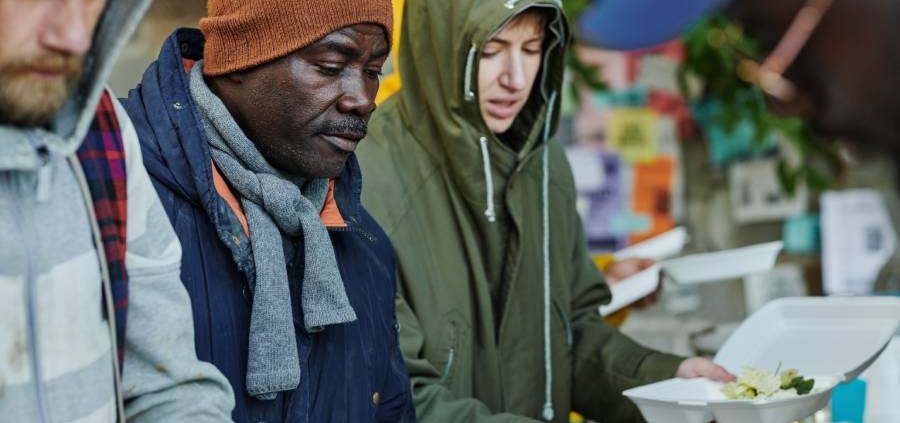
April 15, 2026 — Cities across the United States and Europe have recently reported record increases in homelessness since 2023, with unsheltered populations rising sharply in major urban areas. (1) Men make up 76% of the worldwide homeless population (2), but men are largely absent from global homelessness policy discussions.
A 2025 United Nations report on homelessness calls for rights-based housing policies, prevention strategies, and expanded social protections to address the global crisis (3). However, the report does not identify men as a distinct group, despite their majority presence in homeless populations worldwide.
UN homelessness policy is guided by frameworks such as the Sustainable Development Goals (2015) and the New Urban Agenda (2016) (4)(5). These frameworks promote access to housing but do not identify male homelessness as a distinct category.
UN-Habitat initiatives—including data collection efforts and expert meetings on housing and social protection—focus on improving data, prevention strategies, and inclusive policy design (6). However, these efforts do not include targeted programs specifically addressing male homelessness.
Reports and initiatives emphasize gender-based violence, family homelessness, and housing insecurity among women, often linked to domestic violence and economic vulnerability (7).
Funding and policy attention reflect this focus. Programs linked to violence against women—including the Spotlight Initiative—have directed significant global resources toward protection services, including access to safe housing for female survivors (8).
While men represent the majority of those experiencing visible and unsheltered homelessness in countries such as the United States, they are rarely identified as a priority group in global policy frameworks (9). Global homelessness policy continues to overlook the primary population affected.
The ICMB calls on policymakers, United Nations agencies, and international stakeholders to ensure that homelessness strategies reflect the full scope of those affected, including the majority population of men experiencing homelessness worldwide.
The International Council for Men and Boys is a non-governmental organization working to end the 12 sex disparities that affect men and boys worldwide. The ICMB is a leader of the emerging global movement to address these disparities. https://www.menandboys.net/
Links:
1. https://ourworldindata.org/homelessness
2.https://docs.google.com/spreadsheets/d/1hf1zRYHNDJjvunWWeoOl33VTVmPADtijzMniAmxBPRE/edit?gid=1526345150#gid=1526345150
3.https://docs.un.org/en/A/80/316
4. https://sdgs.un.org/goals/goal11
5. https://habitat3.org/the-new-urban-agenda/
6.https://www.unhabitat.org/programme/global-homelessness-data
7.https://www.ohchr.org/en/special-procedures/sr-housing
8.https://www.spotlightinitiative.org
9. https://www.huduser.gov/portal/sites/default/files/pdf/2023-AHAR-Part-1.pdf
A review of publicly available United Nations initiatives addressing homelessness, prepared for this release, may be accessed here:
https://grok.com/share/c2hhcmQtMi1jb3B5_0885edea-4066-4154-958a-80453824f1fd
The ICMB analysis of the United Nations is available here:
https://www.menandboys.net/un-2/